
Smartphone Addiction: a pandemic that has swept the world in the last decade is slowly taking over the way we live our lives. We’ve all heard our parents, our teachers talk to us about this issue, but I am here to cover the hard facts and the statistics of smartphone usage among teenagers. Most of the studies I have referred to have been conducted in the US, but are applicable to the entire affluent society across the world, including ours.
A study of 1.1 million teens conducted by the University of Georgia and the San Diego University has shown 77% of teenagers own smartphones. The same study also shows that from 2007, when smartphones were first introduced, to 2016, the number of teenagers with high self-esteem and satisfaction of adolescents went from 98% to below 27%.
Is this Coincidence? Studies have shown that the greater the amount of time spent on a smartphone, the unhappier the child is. By contrast, non-screen activities are shown to boost one’s psychological well-being.
But smartphones don’t only affect one’s emotional state. In fact, the attention span of the average smartphone using adolescent is now less than that of a goldfish. Research by Microsoft has shown that if an article contains more than 140 words, the reader loses interest.
Smartphone usage has several disconcerting long-term effects as well. A study by the Korea University in Seoul found out that smartphone usage alters the brain’s chemical composition, which in the long run, makes us more impulsive, anxious, it increases our chances of depression and even makes us less empathetic.
When people post on social media, they portray the most exhilarating experiences, the most breathtaking places and the most scrumptious food. They do not post any of the negative aspects of their lives. Now, others only see these filtered, edited instances and fell that their lives are not as exciting, and this makes them feel depressed, and unhappy with their lives. Several studies have shown is that the increase in teenage suicide rates is directly correlated to the increase in smartphone usage.
Another harmful aspect is that social media has the same effects on your mind as drugs and alcohol do because it stimulates the secretion of dopamine and restricts hormones like melatonin. The only difference is that drugs and alcohol are restricted, especially for teenagers and children. But, social media is largely unfettered. Now, we have an entire generation of children that, when faced with any stress or any tricky situation seek solitude in social media, as an anti-depressant.
Now, you all must be thinking that without a smartphone, you would feel left-out and isolated. However, the truth is that smartphones make you more lonely. In an attempt to garner more followers, one creates relationships with friends and friends of friends through social media, without any actual personal contact. All long-lasting relationships happen when you physically meet. You are happiest when you talk to someone, not text someone. Yet so much time and energy is spent in maintaining a hundred superficial friendships, without actually having any true close friends.
Time is spent in maintaining these false, meaningless friendships, when you could have spent that time actually hanging out with people and creating strong emotional bonds with them.
In this era, we simply can’t stop using our smartphones, but we can control how much we use them. By limiting the number of times you check your phone to three, your overall stress and anxiety can reduce by 25%. So I urge you, for our own benefit, to spend less time on your phone and only use it if necessary. Now I know, it is difficult, but with time, you can break free of the firm grasp of smartphones, and adopt something simpler and less hazardous, like I have.
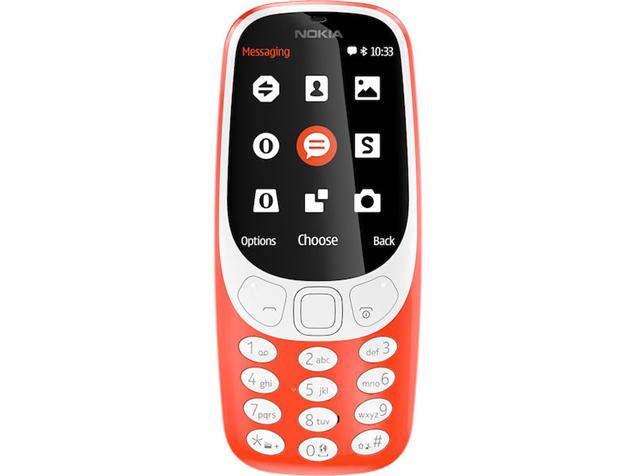
(I actually use the Nokia 3310, and many find it hard to believe that giving up my smartphone for this was a personal choice)
 Khaki Jungle